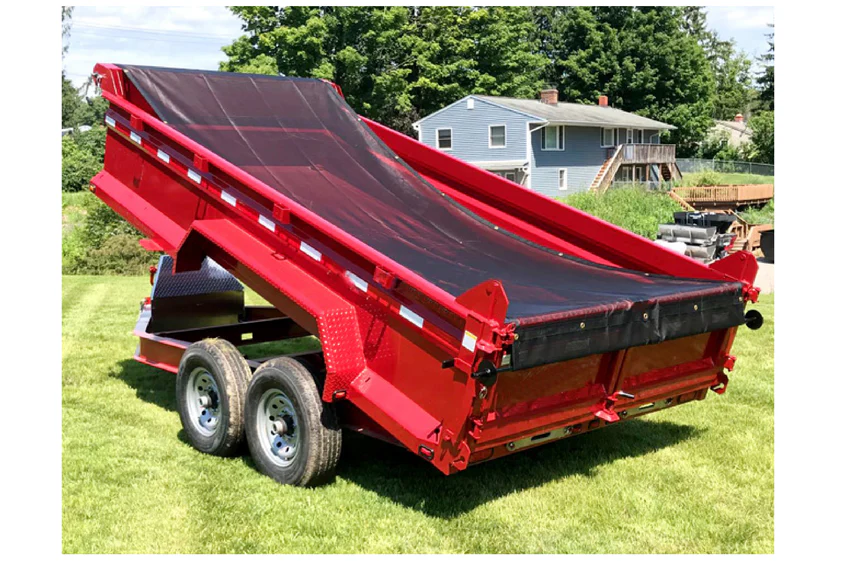
Rollover tarps are the unsung heroes of transportation and agriculture. They protect loads from weather, debris, and shifting, all while being exposed to some of the harshest conditions on the road. But like any hardworking tool, tarps don’t last forever.
Knowing when it’s time to replace one can save you time, money, and avoidable frustration. Whether you’re hauling grain, gravel, or scrap metal, here’s how to tell when your tarp system is asking for a replacement—loud and clear.
Fraying, Tearing, or Visible Wear
The most obvious sign that your tarp is ready for retirement is visible damage. Small holes, torn edges, and fraying seams may seem minor at first, but they grow quickly—especially under pressure or wind.
A single tear can lead to rainwater seeping in or debris blowing out, making the load vulnerable and potentially unsafe. If your tarp flaps more than it should or you’ve started using duct tape as a solution, it’s time to stop patching and start replacing.
Struggles with Rolling or Deployment
If your tarp used to glide smoothly but now feels like a wrestling match every time you open or close it, that’s a red flag. Tarp systems are designed for ease and speed, and when they stop functioning that way, the issue often stems from fabric deformation or stretched material.
You may notice the tarp no longer aligns with the edges of your trailer or doesn’t retract properly. Inconsistent rolling and uneven tension put strain on the whole system—making it a bigger problem the longer you wait.
Water Leakage or Soaked Loads
Rollover replacement tarps for sale are supposed to keep your load dry and shielded. If you start noticing water pooling in the trailer bed or soaking through your cargo, the problem likely lies in weakened seams or fabric. This often happens when UV damage or mildew degrades the material over time.
You might not see the leak, but if the load shows moisture damage regularly, your tarp is probably no longer watertight. A new, properly sealed tarp can restore protection and give you peace of mind no matter the forecast.
Increased Wind Drag or Flapping
A well-fitted tarp stays snug and aerodynamic. But when your tarp starts behaving more like a flag than a cover, you’re dealing with looseness that can compromise both safety and fuel efficiency.
Flapping fabric not only creates drag, increasing fuel costs, but also runs the risk of unfastening mid-transit, which can be dangerous for other drivers. If your once-taut tarp now balloons in the wind or makes noise every time you accelerate, a replacement can bring back both performance and quiet.
Visible Sun Damage and Brittleness
Even if your tarp isn’t ripped or leaking, sun exposure can quietly ruin its integrity. Over time, UV rays weaken the fabric, causing it to become brittle, faded, or chalky. When touched, it may feel stiff or crackle rather than flex.
This makes it more prone to sudden tearing, even with minimal tension. If your tarp looks washed out or snaps instead of stretches, it’s well past its prime and needs a fresh replacement before it breaks during use.