
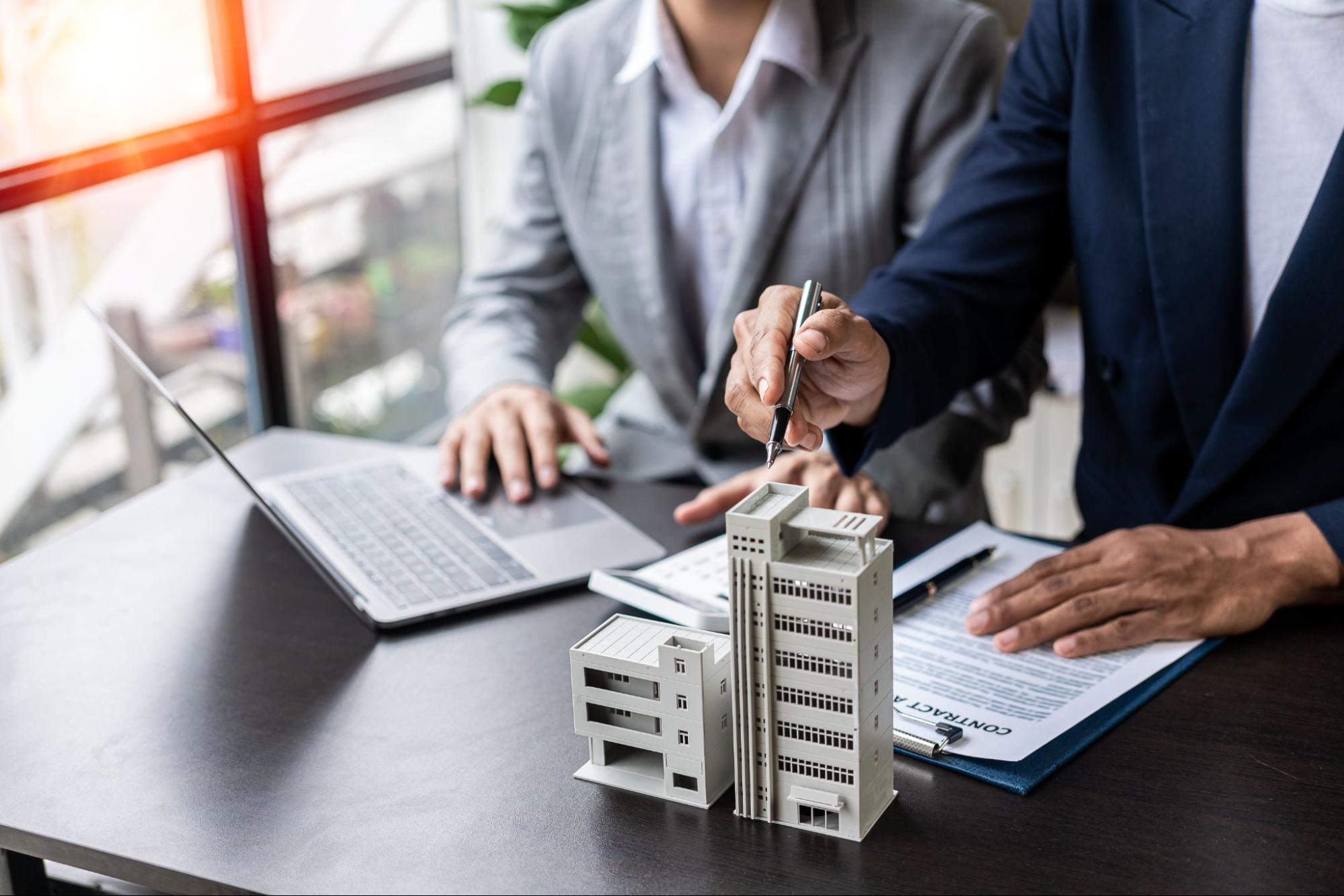
In a rapidly changing retail world, it’s essential to know how much your property is really worth to succeed in the long run. A professional retail appraisal gives you the information and confidence you need to make better business decisions, whether you run a shopping plaza, a high-street boutique, or a mixed-use retail complex.
What is a retail appraisal?
An expert’s opinion on the market value of retail properties, such as standalone stores, malls, and multi-tenant spaces, is called a retail appraisal. It considers factors such as location, foot traffic, sales of comparable properties, rental income, and broader economic trends that affect how well retail real estate performs.
The goal is to give you an accurate picture of your property’s current and future value.
Why Retail Appraisals Are Crucial for Owners and Investors
Accurate Valuation for Financing and Sales
Machinery and infrastructure account for 40–60% of total asset value in heavy industries. A 5% valuation error can cost you hundreds of thousands, or even millions, of dollars. Professional appraisers use the replacement cost, income, and market approaches to produce numbers that can withstand scrutiny from banks, auditors, and tax authorities.
Lease and Rent Assessment
Before approving loans or equity investments, lenders and investors want certified valuations. An up-to-date retail appraisal strengthens balance sheets, lowers debt-to-equity ratios, and opens the door to better financing terms. For instance, many Canadian manufacturers have been able to secure interest rates 15 to 25 percent lower simply by providing third-party appraisal reports.
Tax and Insurance Purposes
Assets that aren’t fully insured are a quiet danger. Appraisals find the difference between the book value and the actual replacement cost, which can save you a lot of money after a fire, flood, or equipment failure. On the other hand, over-insurance wastes premiums. Appraisals eliminate both risks, which can save you 10–20% on your annual insurance costs.
Strategic Investment Decisions
Are you considering a merger, expansion, or sale? Your best negotiating tool is a believable value proposition. It shows land value that hasn’t yet been used for redevelopment, highlights specialized equipment that increases the sale price, and explains why Premium multiples are used in acquisitions. Companies that have had recent appraisals close deals 30–45% faster and achieve 8–12% higher business value than companies that don’t.
Tax Optimization and Compliance
Fair market value is what local governments use to figure out capital gains and reassessments. An independent retail appraisal gives you proof to fight inflated property tax assessments or lower your tax bill when you move assets. For big facilities, this can mean getting back five to seven figures.
Partnering With the Right Appraisal Experts
- Not every appraiser knows how complicated retail assets can be. You need experts who know how to do things right and have worked in manufacturing, warehousing, and heavy industry.
- That’s where Aion Appraisals really shines. Their team has been working in Canada for decades. It can provide bank-grade reports that cover everything, from the condition of the structure and its ability to support utilities to the age and condition of the machinery and the market’s liquidity.
- They use high-tech tools like drone surveys to assess large sites and 3D laser scanning to obtain precise measurements.
- Proprietary databases that keep track of retail sales across the country • Accredited appraisers (AACI, CRA) that all major lenders trust
- Clients trust Aion because their reports have supported more than $3 billion in transactions without a single disagreement over value.
Conclusion:
In a time when data-driven decisions set industry leaders apart from those who fall behind, treating retail appraisal as an optional cost is no longer possible. It’s a wise investment that keeps your money safe, accelerates growth, and ensures your business is ready for the future.


