If you are an immigrant in Canada looking for a career that pays well, stays in demand regardless of economic cycles, and does not require years of school — bookkeeping deserves serious consideration.
This is not a generic career advice article. This is the specific, honest breakdown of what bookkeeping pays in Canada, what skills you actually need to get hired, and what the fastest realistic path looks like for someone starting from zero Canadian experience.
What Do Bookkeepers Actually Earn in Canada?
Entry-level bookkeepers in Toronto, Mississauga, Brampton, and the wider GTA currently earn $20 to $25 per hour in their first Canadian role. That is $40,000 to $50,000 per year — significantly above Canada’s median individual income — for a position that requires no university degree and no CPA designation.
Experienced bookkeepers with one to three years of Canadian experience earn $28 to $35 per hour at small and mid-size public accounting firms. Staff accountants — the natural next step after bookkeeper — earn $45,000 to $65,000 per year. Senior accountants and controllers earn $70,000 to $100,000 and above.
This is not a dead-end job. It is the bottom of a career ladder that has consistent, well-defined upward steps — and the ladder is accessible to immigrants who acquire the right Canadian-specific skills.
Why Bookkeeping Specifically Works for Immigrants
Most professional fields in Canada require either full credential re-certification (medicine, law, engineering) or years of Canadian experience that immigrants cannot get without already having Canadian experience. Bookkeeping is different in a meaningful way.
The underlying accounting knowledge — debits and credits, financial statements, accounts payable and receivable, payroll concepts — transfers from virtually every country. The gap for most internationally trained accountants is not foundational knowledge. It is Canadian-specific knowledge: how CRA compliance works, what QuickBooks Online looks like in practice, how Canadian bank reconciliation is done, and how payroll remittances are processed for a Canadian employer.
That gap is real. But it is a four-week gap, not a four-year gap. Focused, practical training on Canadian files and Canadian software closes it — and once it is closed, the international experience becomes an asset rather than a liability.
What Canadian Employers Actually Check On a Bookkeeping Resume
Before getting into how to get trained, it is worth being specific about what Toronto and GTA employers look for when they screen a bookkeeping resume.
QuickBooks Online is the first thing most hiring managers check. Not accounting theory. Not years of experience. Whether you know QuickBooks Online — the software that 80 percent of small and mid-size Canadian accounting firms use for their client files. If it is not on your resume, your resume often does not pass the first screen.
After QuickBooks Online, employers want to see bank reconciliation, accounts payable and receivable management, payroll processing, GST/HST filing, and year-end adjusting entries. These are the six skills that appear in virtually every junior bookkeeper job posting in the GTA.
The candidates who have practiced all six on real Canadian client files — not textbook exercises — consistently outperform candidates who learned them theoretically, even when the theoretical candidates have more years of total accounting experience.
The 90-Day Path From Zero Canadian Experience to Employed
This is the realistic timeline for an immigrant in Canada who follows the fastest path:
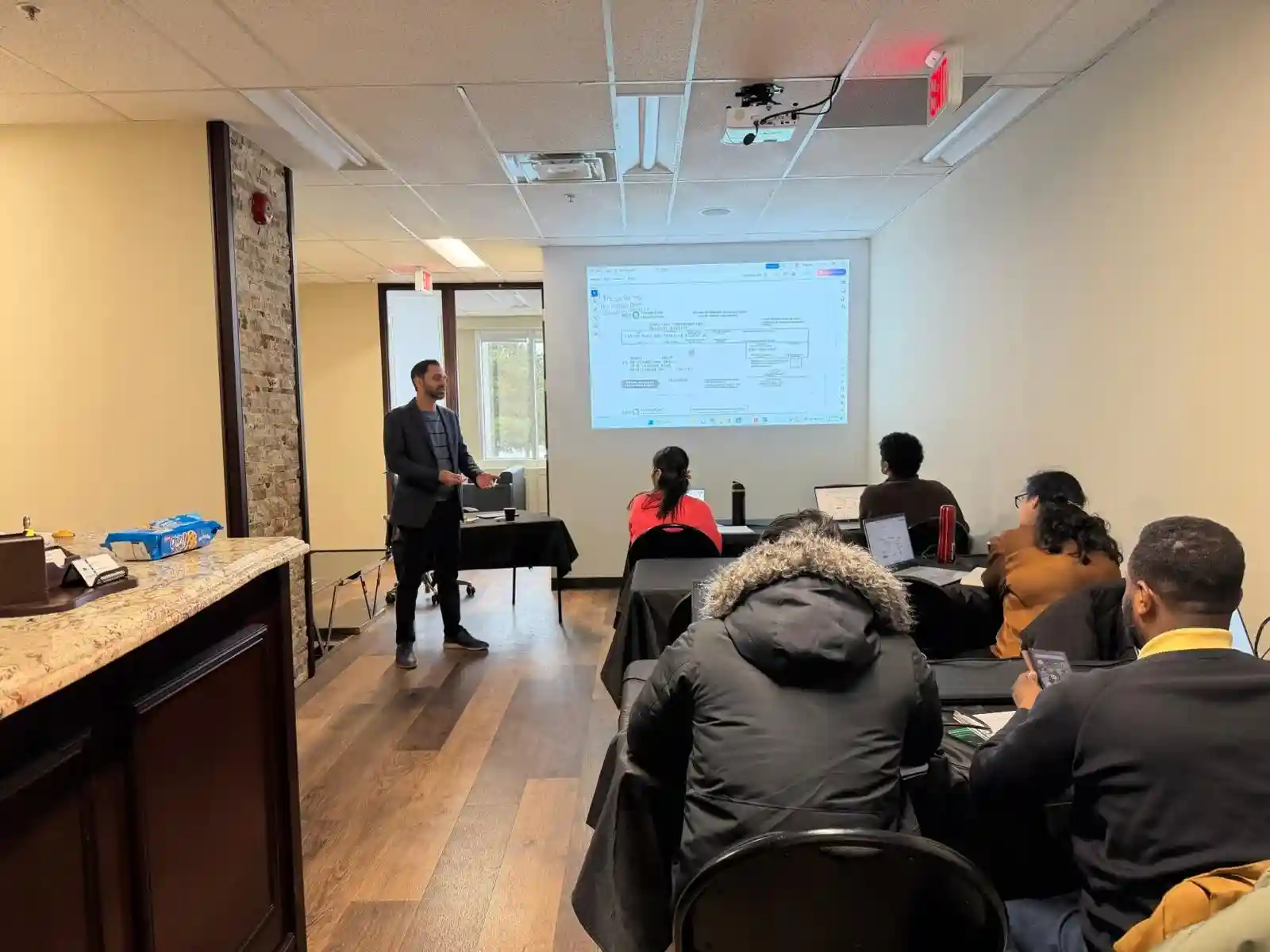
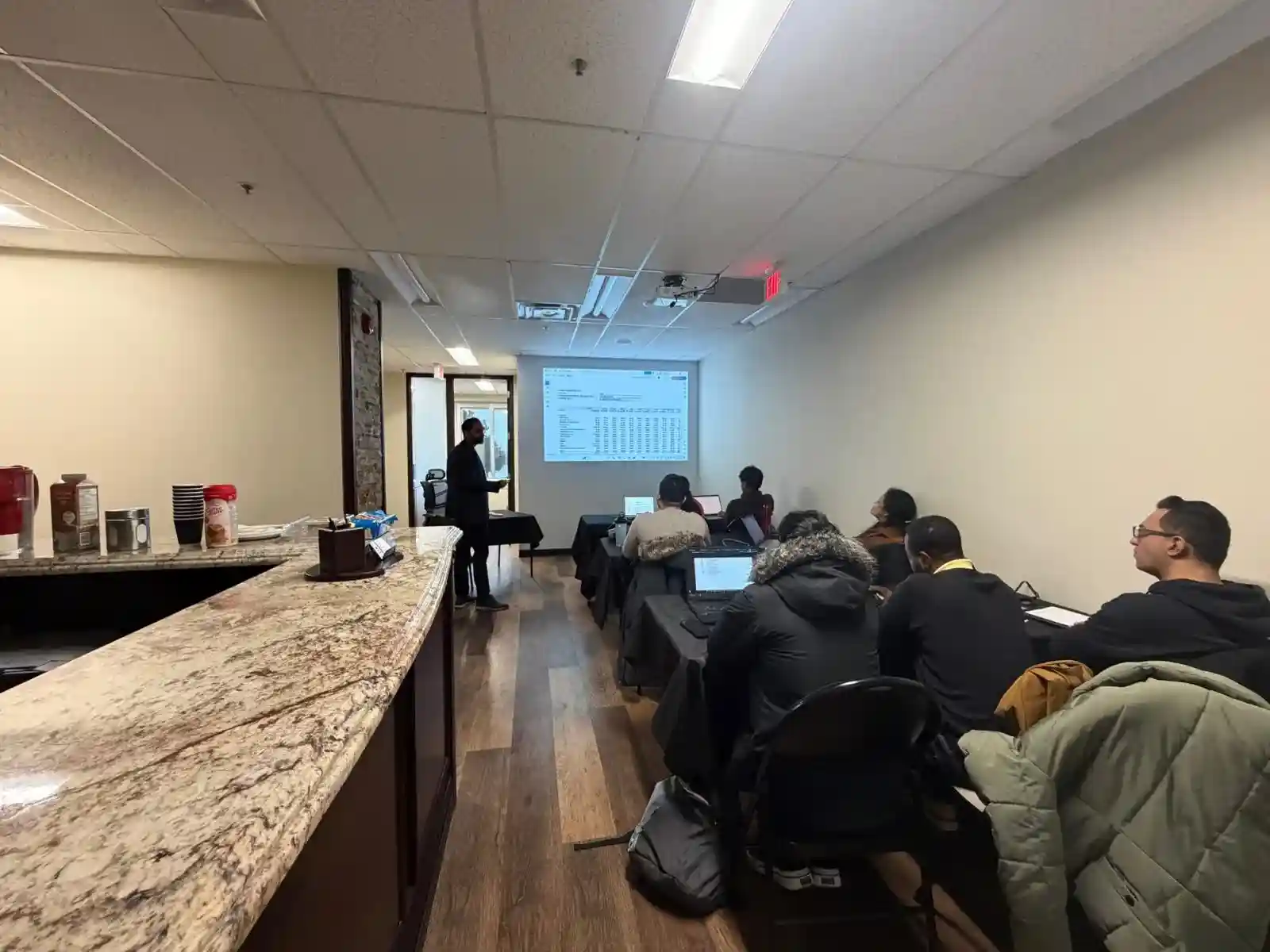
Weeks one through four are training. Not online videos. Not a self-paced certification. In-person, hands-on training on real Canadian client files using QuickBooks Online, bank reconciliation on real Canadian bank statements, payroll entries, GST/HST, and financial statement preparation. Get Trained Get Hired in Mississauga offers exactly this through their bookkeeping course — Sunday morning classes that do not require leaving your current job during the week.
Weeks five and six are resume and job search preparation. This is where the Canadian resume is built — professional summary, QuickBooks listed prominently, Canadian format. Most internationally trained candidates need significant help at this stage. The resume format that works in Pakistan, India, the Philippines, or Nigeria does not work in Canada, and submitting the wrong format is the most common reason skilled candidates get no callbacks.
Weeks seven through twelve are active job search with a professional introduction. Cold applications through job boards produce slow results. Applications supported by a recruiter introduction or a training program’s firm network produce significantly faster results. Most GTGH graduates who follow this path receive their first Canadian interview calls within two to three weeks of completing the training. Many have a job offer before week twelve.
For immigrants who want to accelerate further, the CO-OP package adds three to six months of verified work experience inside a real CPA firm after the training — which puts verified Canadian work experience on the resume before the candidate even applies to their first permanent role. That is the single most powerful resume credential in the Canadian accounting job market.
The Combination That Opens the Most Doors
The bookkeeping course alone qualifies candidates for junior bookkeeper and accounts clerk roles. Adding the personal tax T1 course opens a second hiring pipeline — tax preparer roles at public accounting firms. These firms hire every tax season, and they are consistently short of trained staff.
The accounting careers for immigrants Canada page on the get trained get hired website breaks down exactly why this combination works and what career progression looks like for internationally trained accountants who take this path.
Is This Realistic For You?
If you have any accounting background from your home country — a degree, work experience, or even a general finance background — the answer is almost certainly yes. The training bridges the Canadian-specific gap. The job market provides the opportunity. The variable is whether you close the gap before entering the market or try to enter the market first and close the gap through rejection.
The immigrants working in Toronto and Mississauga accounting firms right now who started from zero Canadian experience did not get lucky. They made one decision: invest in the specific skills the Canadian market actually pays for. That decision consistently produces the outcome. The salary data confirms it. The hiring demand confirms it. The only remaining question is when you make the decision.