
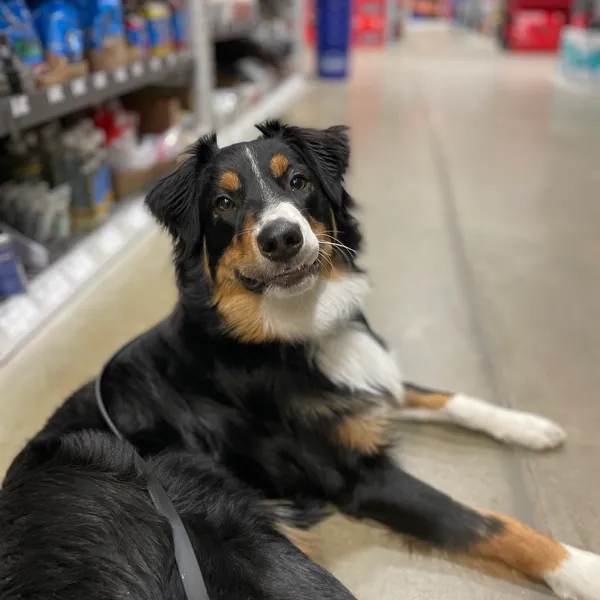
A puppy is exciting, but it also comes with responsibilities that shape a dog’s future behavior. Every puppy learns differently, which is why customized puppy learning systems Phoenix are becoming an important part of modern dog training. Instead of relying on one-size-fits-all methods, personalized training approaches help puppies build confidence, develop obedience skills, and adapt to family life healthily and positively.
At Rob’s Dog Training, training focuses on creating structured learning experiences that match each puppy’s temperament, energy level, and developmental stage. Early learning plays a major role in shaping lifelong habits, and individualized programs often help puppies progress more consistently than generalized routines.
Whether families are raising their first puppy or adding another dog to the household, understanding how customized training works can make a significant difference in long-term success.
Why Personalized Puppy Training Matters
Puppies are not identical in behavior, personality, or learning style. Some are naturally confident and energetic, while others may be cautious or easily distracted. A customized training system allows trainers to adjust techniques based on the puppy’s specific needs.
Personalized learning systems often focus on:
- Age-appropriate skill development
- Breed tendencies and temperament
- Confidence-building exercises
- Household lifestyle compatibility
- Socialization goals
- Attention span and learning pace
When training matches the puppy instead of forcing the puppy into a rigid system, learning becomes more productive and less stressful.
Many behavioral issues seen in adult dogs begin during early development. Problems such as excessive barking, leash pulling, separation struggles, or poor recall can often be reduced through structured puppy education.
The Foundation of Early Puppy Learning
The first several months of a puppy’s life are critical for mental and behavioral development. During this stage, puppies absorb information quickly and begin forming associations with people, environments, sounds, and routines.
A strong learning foundation commonly includes:
Socialization
Positive exposure to new experiences helps puppies feel comfortable in different situations. Controlled socialization can reduce fear-based reactions later in life.
Examples include:
- Meeting new people
- Walking in busy environments
- Exposure to household sounds
- Calm interactions with other dogs
- Car rides and public settings
Communication Skills
Puppies learn best when communication is clear and consistent. Personalized systems teach owners how to reinforce desired behaviors effectively while avoiding mixed signals.
Routine Development
Consistency is essential for young dogs. Structured routines help puppies understand expectations related to feeding, bathroom breaks, crate training, and rest periods.
How Customized Puppy Learning Systems Phoenix Improve Results
Many traditional training approaches focus heavily on commands alone. While obedience matters, a personalized puppy learning system often emphasizes the relationship between the dog and the owner.
This broader approach can improve:
- Focus and engagement
- Emotional stability
- Impulse control
- Confidence in unfamiliar settings
- Responsiveness to commands
- Household manners
Instead of rushing through commands, individualized programs build skills progressively. Puppies first learn engagement and trust before advancing into more complex obedience work.
Tailored Training Plans
Customized puppy learning systems in Phoenix often begin with evaluating:
- Puppy temperament
- Household environment
- Owner goals
- Behavioral tendencies
- Current developmental stage
From there, trainers create structured lessons designed around the puppy’s unique strengths and challenges.
For example:
- A high-energy puppy may need impulse-control exercises.
- A shy puppy may benefit from confidence-building activities.
- A distracted puppy may require engagement-focused drills.
This flexibility allows training to remain productive without overwhelming the puppy.
The Role of Positive Reinforcement in Puppy Development
Modern puppy training frequently incorporates reward-based methods that encourage desired behaviors through motivation and consistency.
Positive reinforcement may include:
- Verbal praise
- Toys
- Food rewards
- Interactive play
- Affection
Reward-based learning helps puppies associate training with positive experiences, which often improves retention and participation.
However, structure and accountability are still important. Effective training balances encouragement with clear expectations and boundaries.
Common Skills Included in Puppy Learning Programs
A comprehensive puppy learning system typically covers more than basic commands.
Core Obedience Skills
Puppies commonly learn:
- Sit
- Down
- Stay
- Come
- Place
- Loose-leash walking
These commands build communication between the dog and owner while improving safety in daily life.
Household Manners
Personalized systems also address practical behaviors, including:
- Jumping prevention
- Calm greetings
- Crate comfort
- Chewing management
- Doorway manners
- Structured feeding routines
Environmental Confidence
Confidence-building exercises can help puppies remain calm in:
- Public environments
- Veterinary visits
- Grooming appointments
- Outdoor activities
- Family gatherings
Developing confidence early often reduces anxiety-related behaviors later.
Why Owner Involvement Is Essential
One of the biggest advantages of customized puppy programs is owner education. Training success depends not only on the puppy’s progress but also on the owner’s consistency at home.
Professional trainers often teach families:
- How dogs learn
- Timing of rewards
- Consistent communication methods
- Proper leash handling
- Calm leadership techniques
When owners understand the reasoning behind training methods, they are more likely to reinforce behaviors correctly between sessions.
This partnership creates clearer communication and stronger trust between dogs and their families.
Addressing Behavioral Challenges Early
Early intervention can prevent small behavioral concerns from becoming larger problems later.
Customized puppy learning systems Phoenix may help address:
Nipping and Mouthing
Puppies naturally explore with their mouths, but structured redirection teaches appropriate behavior.
Leash Pulling
Teaching leash manners early prevents frustration during walks as the puppy grows stronger.
Separation Anxiety Tendencies
Gradual independence exercises can help puppies become comfortable spending time alone.
Excessive Excitement
Impulse-control exercises encourage calm behavior around guests, children, and distractions.
Because every puppy responds differently, individualized strategies often produce better outcomes than generic correction methods.
The Importance of Mental Stimulation
Physical exercise alone is not enough for puppy development. Mental engagement plays a major role in preventing boredom and destructive behaviors.
Personalized learning systems frequently include enrichment activities such as:
- Problem-solving games
- Scent work introductions
- Food puzzles
- Engagement drills
- Structured play sessions
Mental stimulation can help puppies stay focused, calm, and responsive.
For highly intelligent breeds, this type of engagement is especially important in maintaining balanced behavior.
Breed-Specific Considerations in Puppy Training
Different breeds often display different learning tendencies, energy levels, and instincts. Customized systems account for these natural traits instead of ignoring them.
Examples include:
- Herding breeds may need additional mental tasks.
- Sporting breeds often benefit from structured recall work.
- Guardian breeds may require controlled socialization.
- Toy breeds may need confidence development.
Understanding breed characteristics allows trainers to create more realistic expectations and effective learning strategies.
Building Confidence Through Structured Exposure
Confidence is a major component of healthy puppy development. Fearful or uncertain puppies may struggle with new environments if exposure is inconsistent or overwhelming.
Structured exposure introduces puppies to experiences gradually while keeping interactions positive and controlled.
Examples may include:
- Walking on different surfaces
- Navigating stairs
- Hearing traffic sounds
- Visiting pet-friendly environments
- Meeting calm dogs
These experiences help puppies adapt to everyday situations more comfortably.
Long-Term Benefits of Customized Puppy Training
The benefits of early individualized learning often continue into adulthood.
Well-structured puppy education may contribute to:
- Improved obedience reliability
- Better social behavior
- Stronger owner-dog relationships
- Reduced behavioral issues
- Safer public interactions
- Easier veterinary and grooming visits
Dogs that receive consistent early guidance are often more adaptable in changing environments.
Training is not simply about commands. It is about helping dogs understand how to live successfully within a family and community setting.
Choosing the Right Puppy Training Program
Not all training programs offer the same level of personalization. Families searching for customized puppy learning systems Phoenix should consider programs that prioritize communication, structure, and individualized development.
Important qualities to look for include:
- Experience with puppy development
- Clear training philosophy
- Owner education involvement
- Balanced approach to learning
- Real-world behavioral applications
- Structured progression plans
Programs that adapt to the puppy’s growth and personality often provide more sustainable results.
Supporting Lifelong Learning
Puppyhood is only the beginning of a dog’s learning journey. Skills introduced early create the framework for future obedience, socialization, and behavioral stability.
Consistent reinforcement throughout adolescence and adulthood helps maintain progress and strengthen communication over time. Families who invest in early training often find that daily life becomes more manageable and enjoyable as their dog matures.
Through customized puppy learning systems Phoenix, dogs can develop into confident, responsive companions prepared for real-world situations. Personalized guidance, structured routines, and clear communication all contribute to stronger long-term behavior and healthier relationships between dogs and their owners.
For families seeking professional guidance and individualized support, Rob’s Dog Training provides training programs focused on helping puppies build reliable skills through customized learning systems designed around each dog’s unique needs.