
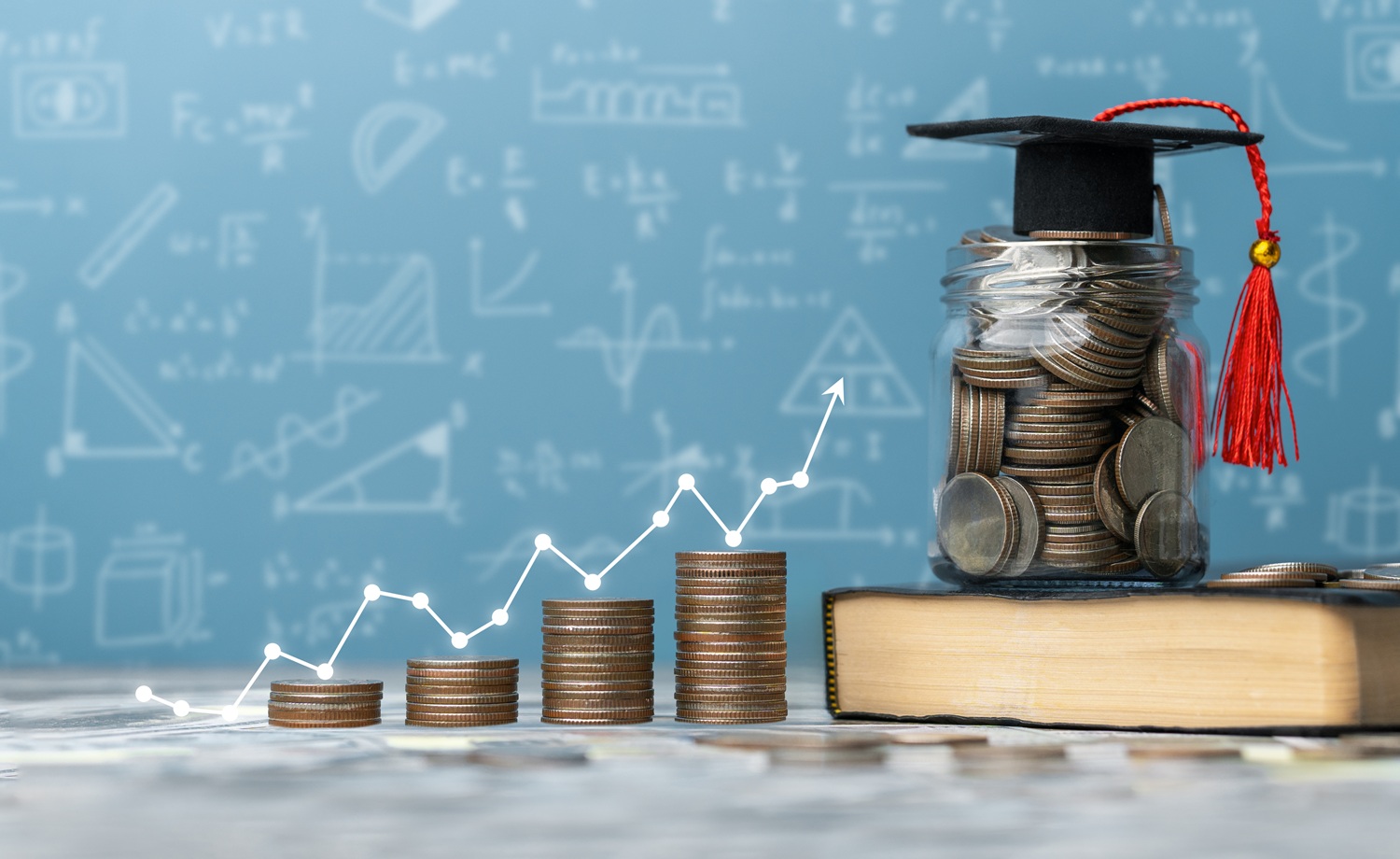
Financial education is vital in creating vibrant economies. People who understand how money works – from budgeting and saving, investing and debt management, all the way up to making smart choices about companies, communities, and national markets. Economic development doesn’t solely depend on large organizations or government initiatives – it also relies heavily on intelligent individuals knowing how to plan, spend, and invest effectively.
What Does Financial Education Consist Of and Its Goal
Financial education is the information and skills that help people manage their money, credit, savings, insurance policies, and investments over a long period of time. People without sufficient understanding of money may fall prey to debt accumulation due to overreliance on credit; conversely, those knowledgeable enough can respond better when facing economic uncertainty by contributing positively towards improving our economy overall.
Media discussions about handling money often address the link between good financial conduct and families and market stability. Theglobeandmail publications often examine this trend by showing how encouraging people to save and spend wisely can strengthen families while strengthening markets overall.
People Who Understand Money Make Consumer Economies Stronger
Economic development hinges heavily on consumer spending habits. When people understand interest rates, inflation rates, borrowing responsibly, and smart spending habits in general, they’re more likely to make wise long-term choices with their money than make short-term choices that only bring short-term happiness, resulting in sustainable economic growth rather than volatile cycles of boom and bust. This results in healthy habits that foster steady economic expansion instead of sudden boom-bust cycles that threaten the stability of growth over time.
People with in-depth knowledge are better at comparing items, negotiating better offers, and shopping at stores with transparent prices – thus raising market standards and developing innovative ideas over time. People reading The Quint Australia frequently discuss how being money-conscious makes us wiser about spending and less likely to be caught off guard by sudden economic changes.
Promoting saving and investing for long-term growth
Saving and investing are vital elements of economic development. Through financial education, people learn the value of saving for emergencies, retirement, or long-term objectives such as future projects or goals. When people save regularly, banks and other lenders have more capital available for lending companies, which fosters increased entrepreneurship, job creation, and infrastructure growth.
Investment literacy further heightens this effect. Individuals knowledgeable of risk, diversification, and long-term returns tend to invest their money more freely into stocks, bonds, and other forms of finance – helping companies grow while also fuelling economic activity – something The Brisbane Times regularly covers as evidence that more individuals investing helps stabilize and flourish economies as a whole.
Helping small businesses and entrepreneurs
Entrepreneurs play an invaluable role in our economy by creating jobs and offering new goods and services on the market. A knowledge of money gives those looking to establish new companies the tools they need for planning for growth, getting finance, setting prices correctly, and managing cash flow effectively – without these skills, even innovative ideas might fail to take hold.
As economies suffer, businesses led by entrepreneurs who understand money are more likely to thrive and remain viable over the long term. When entrepreneurs succeed at managing money effectively, they provide jobs while contributing significantly more tax money, which allows the public services and economy to expand even further.
How Money Can Affair Things Fairer
Economic development becomes more equitable when all members of society receive financial education. Individuals from every corner may generate wealth, avoid predatory loans, and climb higher on the economic ladder if they know how to manage their money effectively – narrowing the divide between rich and poor, opening more employment opportunities for more people, and shrinking wealth disparity gaps.
Overall productivity increases when more individuals can participate actively in the economy in meaningful ways. According to The Sun Australia, financial education may assist families in breaking free of cycles of debt and dependency so they can contribute even further towards the progress of our nation.
Conclusion
Suffice it to say, financial education is no luxury or choice you make on your own – it is key in driving economic development and stability. When people make smart financial decisions, economies gain from increased consumer trust, more savings/investment opportunities, and strengthened small companies, as well as decreased inequality. When people learn more about money through schools, media, or government programs, it leads to smart choices being made over time that help the economy flourish further.


