
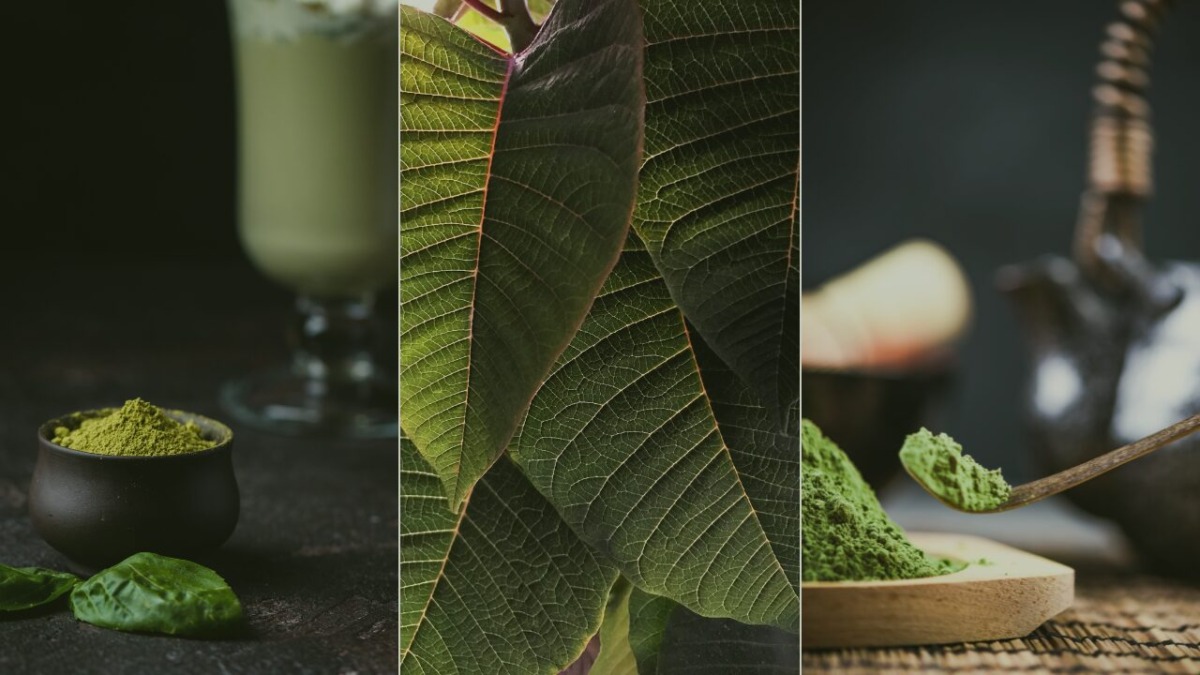
Shopping for botanical products on the internet offers undeniable convenience, enabling consumers to explore diverse options from the comfort of home. However, virtual storefronts present a unique challenge: buyers cannot physically inspect a product, evaluate its aroma, or examine its physical packaging prior to completing a purchase. When individuals decide to buy kratom online, they must rely entirely on the information provided on a vendor’s website to evaluate quality and suitability. This reality makes seller transparency, accessible laboratory documentation, detailed product information, and clear commercial policies essential criteria for any prospective customer. Evaluating a supplier requires looking beyond clean website designs and focus on objective documentation. By prioritizing verifiable details and rigorous vendor accountability, Canadian consumers can make informed, cautious choices while navigating the online botanical marketplace.
Why Online Botanical Shopping Requires Careful Research
Purchasing raw botanical materials online requires a higher level of consumer diligence than buying standardized commercial goods. Because physical evaluation is impossible before delivery, buyers cannot assess texture, fresh appearance, or packaging integrity beforehand. Digital product images, stock photographs, and polished promotional copy do not provide independent proof of product quality or safe handling standards.
Natural botanical materials are inherently variable. Factors such as regional soil conditions, weather patterns, harvest timing, drying techniques, and storage environments cause natural variations between different harvests and batches. Responsible vendor management accounts for these differences through routine batch monitoring.
Consequently, consumers must base their purchasing decisions on tangible evidence rather than subjective branding claims or appealing price points. A sleek, modern website indicates digital design investment, but it does not inherently prove that the vendor conducts proper quality control, batch tracking, or contamination screening.
Start by Evaluating the Seller
A thorough evaluation begins with inspecting the seller’s business practices and operational transparency. Reliable vendors operate with open business models that make essential company information easily accessible to site visitors.
When evaluating an online kratom supplier, prospective buyers should verify the following foundational elements:
- Clear Business Identity: The company should clearly state its operational name and location.
- Accessible Contact Information: Reliable vendors provide direct communication channels, such as standard email addresses, contact forms, or customer support phone numbers, rather than relying solely on automated chat widgets.
- Defined Shipping Guidelines: Detailed information regarding order processing times, carrier options, and tracking procedures should be readily available.
- Explicit Policies: Clear, fair guidelines regarding returns, refunds, damaged shipments, and user privacy demonstrate commercial accountability.
- Consistent Product Descriptions: Listings should offer clear, standardized product information without contradictory claims.
- Transparent Quality Control: The vendor should explain their quality management practices clearly and provide supporting documentation.
[Internal Link: Publisher’s guide to evaluating online sellers]
Check for Independent Laboratory Testing
Independent, third-party laboratory testing represents one of the most vital indicators of quality in the botanical sector. Independent laboratories operate without commercial bias, offering objective analysis of sample compositions and purity levels.
It is critical to distinguish between a vendor simply claiming that their products are tested and a vendor actively publishing verifiable laboratory reports. A genuine report, often called a Certificate of Analysis (COA), displays explicit analytical data generated by an accredited facility.
Generic testing certificates present another area for caution. A single laboratory report displayed on a website does not cover a seller’s entire inventory indefinitely. Quality assurance requires batch-specific testing, meaning every unique shipment or processing batch receives its own distinct analytical review.
While independent testing provides essential information regarding purity and composition, consumers should understand that analytical reports do not guarantee that a botanical product is completely safe, suitable, or appropriate for every individual.
Heavy-Metal Screening
Imported plant matter is regularly subjected to heavy-metal screening. Botanical species naturally absorb trace minerals and elements from the soil, groundwater, and surrounding air during their growth cycle. Heavy-metal analysis specifically screens for elements such as lead, arsenic, mercury, and cadmium. Screening ensures that these naturally occurring trace elements remain within established, acceptable parameters for natural products.
Microbial Screening
Microbial analysis tests samples for biological contaminants that can develop during cultivation, harvesting, drying, processing, storage, or transport. Testing screens for total yeast and mould counts, standard aerobic plate counts, and specific pathogens such as Salmonella, E. coli, and Coliforms. Proper environmental hygiene and controlled storage conditions help maintain low microbial counts across processing stages.
Alkaloid Profile Documentation
Alkaloid profiling measures the specific chemical compounds naturally present within a botanical sample. Documenting alkaloid content allows laboratories to verify the botanical identity of the plant matter and measure compound consistency across different harvest batches over time. This documentation serves as a practical record of physical batch composition rather than an indicator of specific usage outcomes.
Make Sure the Laboratory Report Matches the Product
A Certificate of Analysis provides meaningful assurance only when it directly corresponds to the specific product in the consumer’s hands. A valid analytical report should clearly display the following details:
- Sample Identification: The explicit name or reference code of the tested material.
- Batch or Lot Number: A unique alphanumeric identifier matching the specific processing batch.
- Testing Date: The exact date on which the laboratory conducted the analysis.
- Laboratory Details: The formal name, address, and accreditation details of the testing facility.
- Performed Assays: A detailed list of specific chemical, heavy-metal, or microbial tests conducted.
- Numerical Results: Precise measurements showing detected values, rather than vague statements.
- Limits of Detection: The technical threshold limits established by the testing equipment.
- Pass/Fail Criteria: Clear indicators specifying whether the sample met defined safety parameters.
Buyers should verify that the batch or lot number printed on the product packaging matches the batch number listed on the corresponding laboratory report. An outdated or unlinked report should never be accepted as proof of quality for current or future product batches.
[Internal Link: Publisher’s guide to reading laboratory reports]
Review Product Descriptions Carefully
Responsible product descriptions prioritize clear, factual information over promotional hype. A high-quality listing provides detailed practical data without resorting to exaggerated language or unsupported claims.
A complete product description should outline the product format, available package sizes, origin or harvest information where available, batch identification details, proper storage recommendations, testing availability, and protective packaging features.
Marketing terms such as “premium,” “ultra-pure,” “fresh,” or “highest quality” are common across consumer industries. Without accompanying laboratory reports and batch documentation, these words remain simple sales language. Furthermore, consumers should treat any vendor offering absolute safety guarantees, therapeutic claims, or medical promises with extreme caution, as responsible suppliers avoid making medical or health claims.
Examine Shipping, Packaging, and Seller Location
Logistical transparency and packaging standards reflect a vendor’s attention to operational quality. Reliable suppliers explain their shipping practices clearly, detailing supported delivery regions, standard order processing timelines, and tracking delivery options.
Proper packaging plays a functional role in preserving natural plant material. Quality vendors utilize durable, light-blocking, air-tight packaging materials equipped with resealable closures to safeguard products against ambient moisture, light exposure, and potential external contamination during transit.
Evaluating seller location is another practical step. Knowing the Canada kratom market requires understanding that Canadian-based operations offer distinct logistical advantages, such as localized transit routes, simpler customs clearance, and local customer service channels. Suppliers should clearly state their operating region alongside detailed policies covering lost, delayed, or damaged shipments.
Compare Value Without Choosing on Price Alone
It is natural for consumers to compare prices when shopping online, but selecting a botanical product based solely on the lowest price often means compromising on quality assurance. Low prices can sometimes indicate a lack of independent laboratory testing, poor batch tracking, or inadequate packaging standards.
To evaluate true consumer value, buyers should consider the overall service package:
- Unit Pricing: The cost calculated per gram or unit weight relative to the package size.
- Testing Accessibility: Whether current, batch-specific laboratory reports are freely viewable.
- Traceability Standards: Clear linking between physical packages and testing documentation.
- Packaging Integrity: The use of moisture-barrier, secure, and protective packaging materials.
- Support Accessibility: The presence of responsive, reachable customer service resources.
- Operational Policies: Fair, clearly stated return policies and secure checkout processes.
Investments in comprehensive laboratory screening, sanitary processing environments, and batch management contribute to overall product integrity, which is naturally reflected in fair commercial pricing.
Understand Canadian Regulatory Awareness
Navigating the botanical market requires an awareness of regulatory standards and oversight frameworks. Regulatory frameworks, product classification rules, import parameters, and acceptable labeling practices evolve over time.
Before choosing to buy kratom in Canada, consumers should consult official federal and provincial government publications to remain informed regarding current regulatory frameworks. Botanical products are subject to specific compliance standards regarding how they are classified, labeled, and marketed. Responsible vendors adhere strictly to labeling restrictions, refraining from making therapeutic claims, health promises, or unauthorized medical statements.
Warning Signs to Look For
Recognizing potential warning signs helps consumers avoid unprofessional vendors. When evaluating an online store, buyers should remain cautious if they encounter any of the following indicators:
- Completely missing or unavailable laboratory testing reports.
- Lab reports displaying cropped headers, missing test dates, or blacked-out laboratory information.
- A single, generic analytical report applied across multiple distinct product lines.
- Absolute claims of total purity or absolute safety guarantees.
- Explicit health, medical, therapeutic, or disease-prevention promises.
- Absence of physical business addresses, company details, or direct contact methods.
- Vague or missing information regarding shipping terms, returns, or order refunds.
- Mismatched batch numbers between published reports and received physical labels.
- Aggressive, high-pressure countdown timers or manipulative sales language.
Identifying these warning signs allows buyers to filter out irresponsible operators and focus on transparent suppliers.
A Final Checklist Before Placing an Order
Before deciding to buy kratom online, review this concise pre-purchase checklist to confirm supplier credibility and transparency:
- [ ] Vendor Identity: Is the business name, operating region, and contact info clearly listed?
- [ ] Batch-Specific Testing: Are current, verifiable laboratory reports available for the exact batch?
- [ ] Microbial and Metal Screening: Do the laboratory reports cover heavy metals and microbes?
- [ ] Matching Lot Numbers: Does the website batch number match the product labeling details?
- [ ] Factual Descriptions: Are product listings detailed, neutral, and free of medical claims?
- [ ] Protective Packaging: Is the product sealed in moisture-proof, light-resistant packaging?
- [ ] Clear Policies: Are shipping guidelines, return options, and privacy policies clearly defined?
- [ ] Secure Payment Systems: Does the website offer standard, encrypted payment processing?
- [ ] Responsible Marketing: Is the seller free of exaggerated claims or absolute purity promises?
Final Thoughts
Purchasing botanical products online requires careful evaluation, objective standards, and careful attention to supplier transparency. By focusing on verifiable evidence—such as batch-specific laboratory reports, heavy-metal and microbial screening, clear business policies, and accurate product descriptions—consumers can make informed choices based on factual documentation.
For example, Canadian suppliers such as 365 Kratom Canada provide accessible product details and laboratory information on their websites for consumer review. Reviewing these published documents alongside current official Canadian regulatory guidelines empowers consumers to evaluate options with confidence and clarity.


