
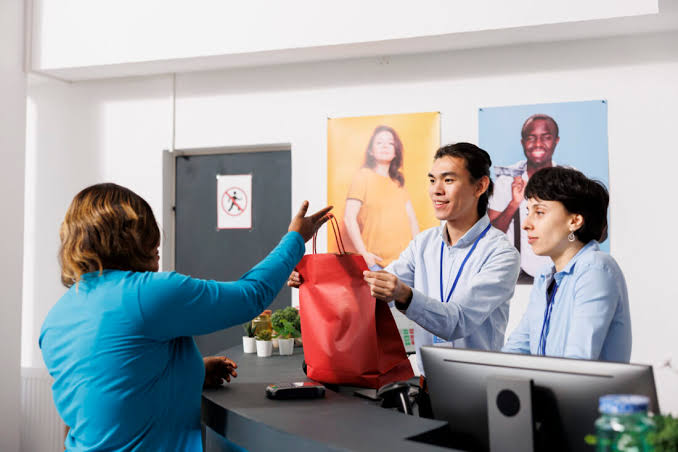
Waiting used to be an unavoidable part of daily life. People stood in queues to purchase tickets, waited several days for letters, and planned shopping trips around store opening hours. Today, even a five minute delay in receiving a response or loading a webpage can feel frustrating. Technology has transformed waiting from an ordinary experience into something businesses actively try to eliminate. As convenience becomes increasingly important, instant results are no longer considered a luxury. They are becoming an expectation that influences consumer behavior, personal relationships, and everyday decision making.
Instant Gratification Is Changing Consumer Expectations
Modern consumers have become accustomed to receiving products, information, and services almost immediately. Online shopping platforms offer rapid deliveries, streaming services provide entertainment within seconds, and mobile applications allow people to complete transactions without visiting physical locations. These developments have created an environment where speed often influences purchasing decisions as much as price or quality.
However, convenience also changes expectations. Once customers experience same day delivery or instant customer support, traditional waiting periods may seem unnecessarily long. Businesses that cannot meet these expectations risk losing customers to competitors offering faster alternatives.
This shift is particularly noticeable in metropolitan areas, where busy schedules encourage people to prioritize services that reduce unnecessary delays. Digital publications such as Melbwire reflect the broader interest in modern urban lifestyles, where convenience, accessibility, and efficient services increasingly influence everyday choices.
Waiting Has Become a Business Opportunity
Interestingly, waiting has developed into a business opportunity of its own. Companies now offer services specifically designed to save customers time, including priority appointments, express deliveries, virtual queues, and premium customer assistance.
Airports provide priority boarding, entertainment venues sell express entry passes, and healthcare providers increasingly use online appointment systems to manage patient arrivals. These services demonstrate that consumers are sometimes willing to pay additional fees simply to avoid spending time in queues.
Businesses also recognize that waiting can influence customer satisfaction. A restaurant with an accurate reservation system may create a better experience than one offering faster food preparation but unpredictable seating arrangements.
The growing demand for convenience is also influencing public transportation. Digital ticketing systems, automated payment options, and online travel information help passengers manage journeys more efficiently. Resources such as pinksahelimetrocard.com can be considered within broader discussions about digital access to transportation information and the changing expectations surrounding urban mobility.
Digital Convenience Is Reshaping Family Life
The desire for immediate results extends beyond shopping and professional services. Families increasingly rely on technology to simplify household responsibilities, coordinate schedules, and access information quickly.
Parents can arrange grocery deliveries, schedule medical consultations, and communicate with schools through digital platforms. These conveniences reduce administrative responsibilities and create more opportunities to focus on family activities.
However, instant access can also influence children’s expectations. When entertainment, information, and communication are available immediately, developing patience may become more challenging.
Discussions surrounding parenting advice Australia often explore the importance of balancing digital convenience with opportunities for children to develop independence, emotional regulation, and realistic expectations. Encouraging children to wait their turn, complete gradual tasks, and understand delayed rewards can help them recognize that not every meaningful experience produces immediate results.
Urban Living Is Increasing Pressure for Faster Services
Cities create unique challenges because large populations depend on shared transportation networks, public facilities, and commercial services. Long queues, traffic congestion, and appointment delays can affect productivity and personal schedules.
As a result, urban residents increasingly seek information that helps them make quicker decisions. A Sydney local guide, for example, can support more efficient planning by helping readers identify transportation options, nearby attractions, and convenient services before leaving home.
Businesses operating in busy cities are also investing in technologies that improve customer flow. Self service checkouts, digital ordering systems, and automated booking platforms can reduce unnecessary interactions and improve operational efficiency.
Nevertheless, faster systems do not always guarantee better experiences. Poorly designed applications, inaccurate delivery estimates, and complicated automated support systems can create additional frustration. Convenience depends not only on speed but also on reliability and ease of use.
Psychological Effects of Expecting Everything Immediately
Constant access to immediate results may influence the way people experience delays. When technology removes waiting from many routine activities, ordinary interruptions can begin to feel more significant.
For example, someone accustomed to instant messaging might interpret a delayed reply as a lack of interest, even when the recipient is simply occupied. Similarly, consumers may become frustrated when deliveries take longer than expected despite receiving reasonable service.
These reactions highlight the relationship between expectations and satisfaction. Waiting often feels longer when people lack information about its duration or purpose.
Clear communication can therefore improve experiences without necessarily making services faster. Accurate delivery updates, appointment reminders, and realistic waiting estimates help people feel informed and reduce uncertainty.
Finding Balance Between Speed and Meaningful Experiences
Instant services provide genuine benefits, particularly when they improve accessibility, reduce repetitive tasks, or make essential resources easier to obtain. However, treating every delay as a problem can create unrealistic expectations.
Certain experiences naturally require time. Learning new skills, developing relationships, recovering from setbacks, and making thoughtful decisions cannot always be accelerated without compromising their value.
As technology continues to improve convenience, individuals and businesses may benefit from distinguishing between unnecessary waiting and time that serves a meaningful purpose.
Conclusion
Growing demand for instant results reflects a major change in modern expectations. Consumers increasingly value businesses that respect their time, while technology continues to reduce delays across transportation, shopping, communication, and family life. Yet speed alone does not determine satisfaction. Reliability, transparency, and thoughtful service remain equally important. Ultimately, convenience should help people spend less time on unnecessary tasks without creating the expectation that every worthwhile outcome must happen immediately.
