
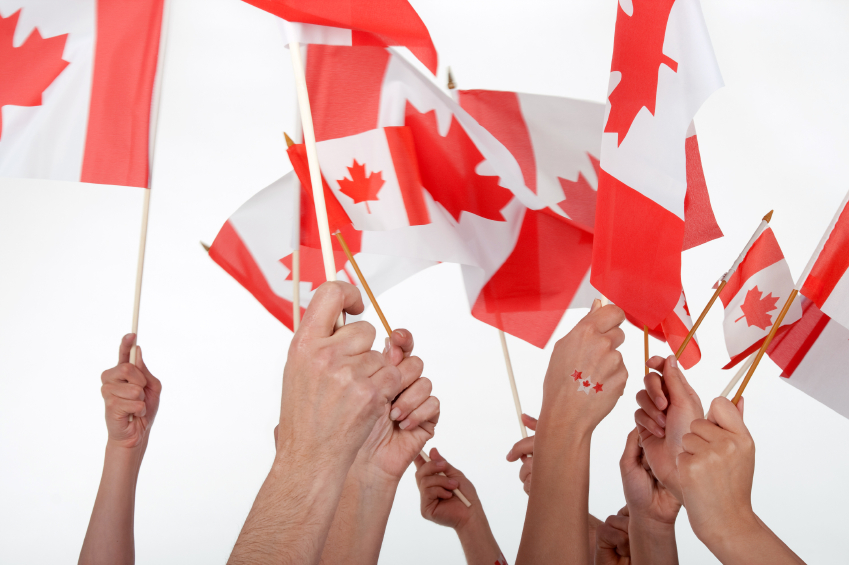
Becoming a Canadian citizen is not simply an administrative upgrade from permanent resident status. It is a legal and personal transformation that changes what you can do, where you can go, and how you relate to the country you have chosen to call home. For the approximately 200,000 permanent residents who apply for citizenship each year, the process spans multiple stages over one to two years — and understanding each stage before you begin saves significant time and frustration. This guide covers the full path from eligibility check to oath ceremony, written for permanent residents who are ready to start or are already somewhere in the middle of the process. The Difference Between Permanent Residency and Citizenship Before diving into the application process, it is worth being clear about what citizenship actually changes — because for many people, the motivation to apply goes beyond sentiment. Travel freedom. A Canadian passport currently provides visa-free or visa-on-arrival access to over 180 countries, placing it among the most powerful travel documents in the world. As a permanent resident, you travel on your home country’s passport, which may carry significantly more visa restrictions. No residency obligation. Permanent residents must spend at least 730 days in Canada every five years to maintain their status. Canadian citizens face no such requirement. You can live abroad for years and return to Canada without risk of losing your status. The right to vote. Canadian citizens can vote in federal, provincial, and municipal elections. Permanent residents cannot. For many applicants, this is one of the most meaningful changes citizenship brings. Protection from removal. Permanent resident status can be revoked under certain circumstances, including criminal convictions or failing to meet the residency obligation. Canadian citizenship — obtained legitimately — is permanent and cannot be revoked except in extraordinary cases of fraud. Sponsoring parents and grandparents. Citizens have access to a broader range of family sponsorship pathways than permanent residents, including the Parents and Grandparents Program. Are You Ready to Apply? The Eligibility Checklist The eligibility requirements for Canadian citizenship are set by IRCC and must all be met at the time of application — not at some point in the future. Physical presence: 1,095 days in five years This is the threshold most applicants focus on first, and rightly so. You must have been physically present in Canada for at least 1,095 days within the five-year period immediately before your application date. Days spent in Canada before you became a permanent resident — as a temporary resident or protected person — count as half a day each, up to a maximum credit of 365 days. International travel, work abroad, and extended absences all reduce your count. Calculate your days carefully before applying. Submitting with insufficient physical presence days is one of the most common reasons applications are returned, adding months to your timeline. Age: 18 or older for a standard adult application Minors can be included on a parent’s application or apply separately under different rules. Adults 55 and over are exempt from the knowledge test and language requirement. Language: CLB 4 in English or French You must demonstrate adequate proficiency in one of Canada’s official languages. Accepted evidence includes approved standardized test scores (IELTS, CELPIP, TEF, TCF) or proof of completing secondary or post-secondary education in English or French in Canada. Income tax filing You must have filed Canadian income taxes in at least three of the five years within your physical presence period, if you were required to file under the Income Tax Act. No prohibitions You cannot apply if you are under a removal order, currently serving a sentence for an indictable offence, or charged with a criminal offence in Canada or abroad. The Application Process, Step by Step A complete walkthrough is available in a detailed guide on how to apply for Canadian citizenship that covers the IRCC online portal screen by screen. The summary below gives you the structural overview. Step 1: Gather your documents before opening the form IRCC’s online application system allows you to save your progress, but it is significantly easier to complete in one session if your documents are already organized. The core documents for most adult applicants are: Step 2: Complete Form CIT 0002 online Log in to your IRCC secure account at canada.ca using GCKey or your bank partner credentials. Select “Apply for citizenship — adults” and work through the form sections: personal information, physical presence history, language proficiency, tax compliance, and background declarations. The physical presence section requires you to enter every trip outside Canada during the relevant five-year window, including departure and return dates. Have your passport handy — this is the most time-consuming part of the form. Step 3: Upload supporting documents Each required document has a dedicated upload slot within the application form. Accepted formats are PDF and high-resolution image files. Ensure scans are clear and complete — partially visible passport pages are a common reason for application returns. Step 4: Pay the application fee The total fee for adults 18 and over is $630 CAD: a $530 processing fee plus a $100 Right of Permanent Residence Fee (RPRF). Applicants under 18 pay $100 with no RPRF. Payment is accepted by credit or debit card within the IRCC portal. Step 5: Submit and receive your AOR After submission, IRCC generates an Acknowledgement of Receipt (AOR) confirming your application is in the queue. Your AOR date is your official start date for processing timelines. Keep this document — you will reference it throughout the process. What Happens After You Submit? This is the stage most applicants find difficult — the waiting period between AOR and test invitation, where little visible progress occurs but a great deal is happening in the background. Background and security checks IRCC runs security screenings in parallel with the RCMP and CBSA. These happen automatically and require no action from you. For the vast majority of applicants, there are no issues at this stage. Biometrics If you have not already provided biometrics to IRCC through a previous application, you may receive a biometrics request shortly after your AOR. Biometrics are collected at designated Service Canada or IRCC locations. Knowledge test invitation Between six and twelve months after your AOR — though sometimes longer depending on IRCC volumes — you will receive an invitation to the citizenship knowledge test. This comes by mail and through your IRCC secure account. The invitation specifies whether your test will be in-person or online via webcam. Decision and ceremony After passing the test, your file moves to the decision stage. Once approved, you receive a ceremony invitation. The ceremony is where you take the Oath of Citizenship and officially become a Canadian citizen. How Long Does the Entire Process Take? Processing time is one of the most common questions applicants have, and the honest answer is that it varies. IRCC’s published target is approximately 12 months for a complete, straightforward application. In practice, total timelines from AOR to oath ceremony have ranged from 10 to 24 months in recent years. The factors most likely to extend your timeline beyond IRCC’s target include: incomplete initial applications that require a return and resubmission, security check flags that require manual review, missing or unclear uploaded documents, and regional variation in ceremony scheduling. For current wait times broken down by processing stage, the Canadian citizenship processing time page is updated monthly with the latest IRCC data — useful for setting realistic expectations at each stage of your file. Tracking Your Application Between submission and ceremony, your IRCC tracker is your primary window into your file’s progress. Log in at any time through your secure IRCC account to see your current status. The most significant status updates you will see are: Weeks or months without tracker updates are normal during the background check phase. The tracker does not update in real time — it reflects manual milestones when an officer reviews your file. The Oath Ceremony … Read More “Moving from Permanent Resident to Canadian Citizen: What You Need to Know in 2026” »
Category: Immigration
Immigration