Dealing with persistent acne is tough enough, but the textured reminders it leaves behind can feel like an uninvited long-term guest. Whether you are dealing with pitted icepick marks, broader rolling indentations, or stubborn post-inflammatory discoloration, acne scarring is a complex structural issue that operates deep within the dermis. The good news is that skin restoration technology has advanced dramatically, making smooth, even-toned skin far more attainable than in years past.
Understanding How Different Acne Scars Form
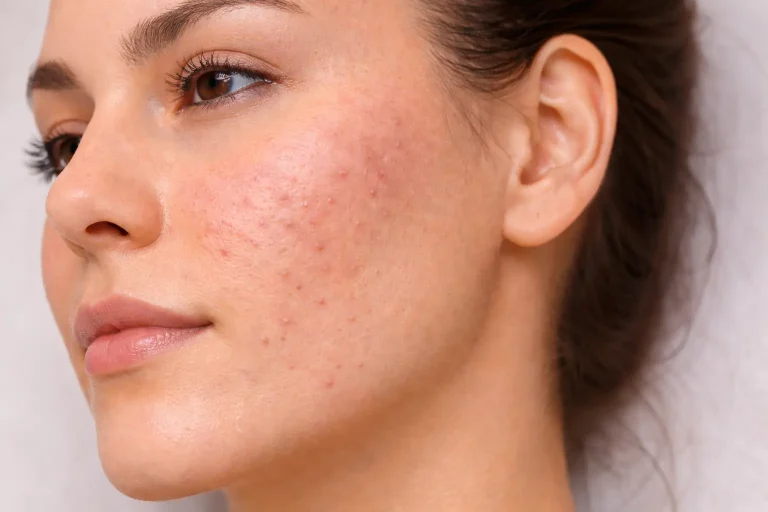
Not all scars are created equal, which means a single standard solution rarely delivers total clarity. When a severe breakout causes deep inflammation, it damages the surrounding skin tissue and the collagen matrix beneath it. If your body produces too little collagen during the natural repair process, you end up with atrophic or depressed scars such as boxcar, icepick, or rolling shapes. On the other hand, an overproduction of collagen leads to raised, hypertrophic scarring. Understanding your specific combination of scarring types is the crucial first step toward selecting an aesthetic strategy that actually changes your skin texture rather than just sitting on top of it.
Remodeling the Dermis with Advanced Collagen Induction
For depressed scars that create uneven surface contours, collagen induction therapy offers a direct way to rebuild the skin structural scaffold. Microneedling creates controlled micro-injuries within the deeper layers of the skin, signaling your body to initiate a natural healing response that produces fresh collagen and elastin. When enhanced with radiofrequency energy, the thermal heat penetrates even deeper, tightening existing fibers and restructuring firm tissue from the inside out. Over a series of sessions, these micro-channels help smooth out deep depressions, soften harsh edges, and gradually lift sunken areas back toward the surface.
Resurfacing Surface Texture with Precision Energy
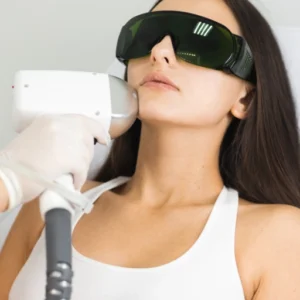
When uneven texture covers larger areas of the face, laser resurfacing provides the targeted energy required to break down damaged tissue and encourage rapid cellular turnover. Non-ablative fractionated lasers work by sending precise micro-beams into the dermis without harming the top layer of skin, creating microscopic thermal zones that trigger natural collagen synthesis. Ablative laser modalities take a more intensive approach by gently vaporizing damaged top layers, allowing entirely fresh, pristine skin cells to take their place. Choosing the right energy settings allows for dramatic smoothing with manageable recovery times tailored to your lifestyle.
Customizing Solutions for Pigmentation and Redness
Sometimes the scar itself is relatively flat, but the residual discoloration makes breakouts look active long after they have cleared. Post-inflammatory hyperpigmentation leaves behind frustrating dark spots, while post-inflammatory erythema creates persistent pink or red marks where blood vessels expanded during inflammation. Targeted light therapies, such as Intense Pulsed Light, focus specifically on excess melanin and dilated vascular structures without damaging surrounding tissue. Pairing light energy with gentle chemical peels accelerates the shedding of pigmented surface cells, fading dark spots and restoring a cohesive, glowing complexion.
Blending Clinical Techniques for Optimal Smoothness
Because most individuals experience a mix of textural indentations and discoloration, relying on a single therapy often yields partial results. Modern aesthetic plans thrive on multi-modality customization, strategically combining treatments over time to address every layer of concern. Integrating collagen-building sessions with resurfacing and targeted pigment correction ensures that both the depth and tone of your skin improve simultaneously. Exploring various professional acne scar treatments allows your aesthetic provider to design a tailored roadmap that adapts as your skin transforms and heals.
Supporting Your Skin Barrier Between Visits
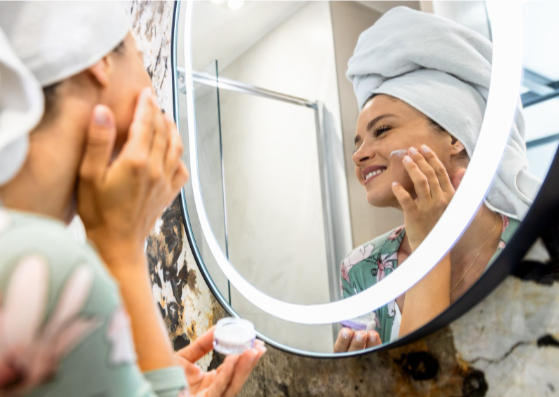
High-performance aesthetic treatments do the heavy lifting in the treatment room, but your home care habits safeguard your investment. Protecting fresh, regenerating skin cells requires diligent sun protection, as ultraviolet radiation easily darkens healing tissue and slows down collagen production. Incorporating restorative ingredients like epidermal growth factors, hydrating hyaluronic acid, and gentle retinoids supports skin repair between appointments. Avoiding aggressive physical scrubs or picking at healing skin ensures your professional sessions deliver maximum smoothing effects without unnecessary setback.
Begin Your Journey to Smooth Skin Today
Acne scars do not have to dictate how you feel about your skin or how much concealer you apply every morning. Modern non-invasive and minimally invasive aesthetic techniques make it possible to rebuild damaged tissue, balance uneven pigmentation, and restore smooth, resilient skin texture safely. By pairing advanced clinical therapies with a dedicated home maintenance plan, you can achieve genuine, lasting clarity that builds confidence over time. If you are ready to leave textured marks behind and discover a customized treatment plan designed specifically for your skin goals, schedule a personal consultation today and take your first step toward total skin renewal.