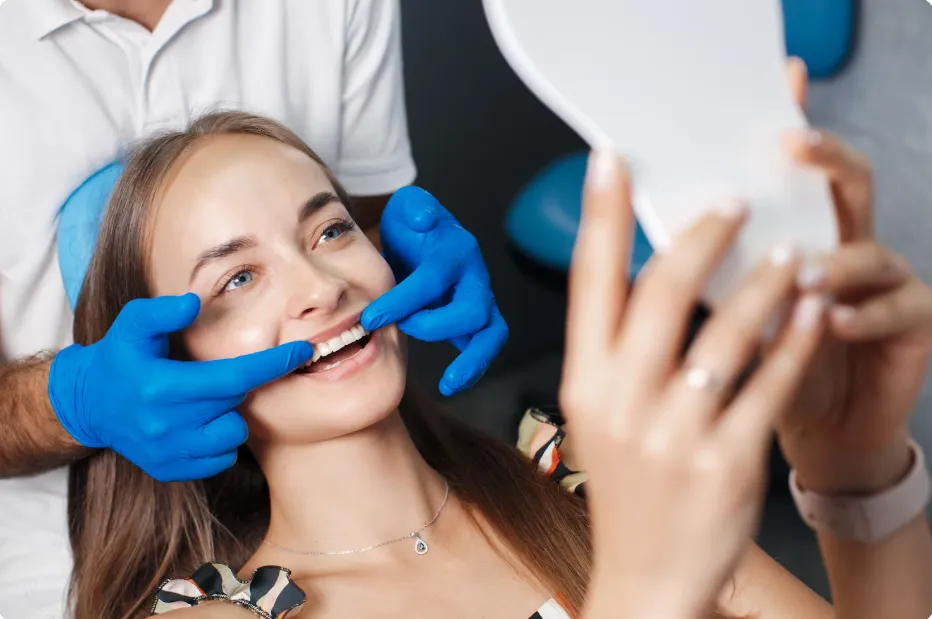
Choosing between veneers and teeth whitening can feel confusing—especially if you’re looking for fast, noticeable results. This guest post compares veneers vs whitening so you can decide what’s best for your smile, goals, and budget.
Key takeaways
• Primary difference: Whitening changes tooth colour; veneers change colour and shape.
• Best for: Whitening treats stains in healthy enamel; veneers address deep stains, chips, gaps, and uneven teeth.
• Speed and longevity: In-office whitening brightens in one visit but may need maintenance; porcelain veneers last 10–15 years with proper care.
• Sensitivity: Whitening can cause temporary sensitivity; veneers require enamel reshaping and are not reversible.
• Cost: Whitening is lower cost; veneers are a larger investment that corrects more issues at once.
• Location matters: Consult a trusted dentist in Aurora, Ontario, for personalized recommendations and safe results.
Why this dental issue matters
Your smile affects confidence, first impressions, and even how you feel at work or in social settings. Many patients search “dentist near me” for quick smile upgrades, but the best choice depends on what’s causing your concern:
- Tooth discolouration (yellowing, staining from coffee, tea, wine, or smoking)
- Worn edges, small chips, or minor cracks
- Uneven size or shape, small gaps, or slightly crooked front teeth
- Intrinsic stains (e.g., tetracycline staining, fluorosis) that whitening cannot lift
Understanding veneers vs whitening helps you avoid trial-and-error treatments and choose a predictable solution with lasting results. A professional evaluation will assess enamel health, gum condition, bite, and your cosmetic goals before recommending a plan.
Symptoms or warning signs
If you notice any of the following, it’s time to speak with a dentist in Aurora:
- Stains that don’t improve with toothpaste or store-bought whitening strips
- White or brown spots, banding, or grey discolouration
- Chips, cracks, or uneven edges on front teeth
- Spaces between teeth that make you self-conscious
- Tooth sensitivity to cold after DIY whitening products
- Gum irritation or burning from improperly fitted whitening trays
Red flags that need evaluation first:
- Tooth pain or lingering sensitivity (could indicate decay or nerve issues)
- Bleeding gums or gum disease
- Recent trauma or fractures
Cosmetic treatments work best when teeth and gums are healthy. Underlying concerns should be managed before whitening or placing veneers.
Treatment options
Teeth whitening (bleaching)
What it is: A safe, dentist-supervised process that lightens stains within the enamel using peroxide-based gels.
Types:
- In-office whitening: Fast, powerful results in about 60–90 minutes. Great before events or photos.
- Custom take-home trays: Precision-fit trays made by your dental team; you whiten at home for 1–2 weeks.
- Store-bought kits/strips: Convenient but lower strength, less even results, and higher risk of irritation if overused.
Best for:
- Yellowing from coffee, tea, wine, or smoking
- Uniform enamel staining
- Patients with healthy teeth and gums seeking a colour boost
Pros:
- Quick, non-invasive, budget-friendly
- Minimal to no enamel alteration
- Repeatable for maintenance
Considerations:
- Does not change shape or alignment
- Not effective on fillings, crowns, or veneers
- May cause temporary sensitivity—managed with desensitizing gel and shorter sessions
Safety tips:
- Choose dentist-supervised whitening to protect enamel and gums
- Use custom trays to prevent gel leakage and irritation
- Follow recommended frequency; over-whitening can increase sensitivity
- Learn more: Is teeth whitening safe and are there side effects? See this guide:
Dental veneers
What they are: Thin, custom shells bonded to the front of teeth to change colour, shape, and overall appearance. Two main types:
- Porcelain veneers: Highly durable, stain-resistant, natural translucency
- Composite veneers: Single-visit option, more affordable, may stain or wear faster
Best for:
- Deep or intrinsic stains that don’t respond to whitening
- Chips, minor cracks, uneven edges
- Small gaps or mildly misaligned front teeth
- Teeth that are too small or irregularly shaped
Pros:
- Comprehensive cosmetic transformation in 2–3 visits
- Long-lasting colour and shape
- Can strengthen and protect worn enamel surfaces
Considerations:
- Requires minimal enamel reshaping (not reversible)
- Higher upfront investment
- Veneers won’t whiten later; choose your final shade thoughtfully
Typical porcelain veneer process:
- Consultation and smile design: Photos, shade analysis, and a discussion of your goals
- Tooth preparation: Conservative enamel shaping; digital impression for precision fit
- Trial phase: Temporary veneers preview the look and feel
- Bonding appointment: Custom veneers are fitted, adjusted, and permanently bonded
- Follow-up: Bite check and maintenance guidance
Veneers vs whitening: How to choose
- Goal: If you want whiter teeth only—start with whitening. If you want whiter, straighter-looking, more even teeth—veneers are the comprehensive option.
- Tooth condition: Healthy, uniform enamel responds well to whitening; teeth with intrinsic stains or damage benefit from veneers.
- Timeline and events: Whitening = fast colour boost. Veneers = a few visits for a full smile makeover.
- Longevity: Whitening requires periodic touch-ups; porcelain veneers can last 10–15 years or longer with care.
- Budget: Whitening is lower cost; veneers are a bigger investment with broader cosmetic impact.
Prevention and maintenance tips
To keep your smile bright—before and after treatment:
- Brush twice daily with a fluoride toothpaste; floss once daily
- Rinse after coffee, tea, red wine, or dark sauces
- Use a straw for iced coffee/tea to reduce staining
- Schedule regular cleanings and checkups
- For whitening patients: Use dentist-recommended touch-up gel as needed
- For veneer patients: Wear a night guard if you clench or grind; avoid using teeth as tools
- Avoid abrasive whitening toothpaste on veneers; choose non-abrasive polishers
FAQ:
Which lasts longer—veneers or whitening?
Porcelain veneers typically last 10–15 years or more with good care. Whitening results vary by diet and habits; most patients do small touch-ups every few months to a year.
Can whitening damage my enamel?
Dentist-supervised whitening is safe for healthy teeth. Temporary sensitivity or gum irritation can occur but is manageable and resolves after treatment. For more details, see:Teeth Whitening Safety
Are veneers permanent?
Veneers are a long-term treatment. Because a small amount of enamel is reshaped, the procedure isn’t reversible. Veneers will eventually need replacement.
Can I whiten my teeth after getting veneers?
Whitening gel does not change the colour of veneers, crowns, or fillings. If you’re considering both, whiten first, then match veneers to your desired shade.
Am I a candidate for whitening if I have sensitive teeth?
Often, yes—with adjustments. Dentists use lower-concentration gels, shorter wear times, and desensitizing products. A consultation ensures it’s safe for you.
Do veneers look natural?
High-quality porcelain veneers are customized for shape, translucency, and shade to blend with your smile and facial features.
How do I choose between veneers and whitening?
If your main concern is colour, start with whitening. If you also want to fix chips, gaps, uneven shape, or deep stains, veneers provide a comprehensive solution. A local dentist can assess your teeth and recommend the best option.
Conclusion: Ready to choose veneers or whitening?
Both treatments can refresh your smile—whitening for fast brightness, veneers for a total front-tooth transformation. The right choice depends on your enamel health, cosmetic goals, timeline, and budget.
If you’re in Aurora, Ontario, and considering cosmetic dentistry, explore your options with a trusted local team.
Learn more or book a consultation with Aurora Family Dentistry