An electrical panel upgrade is one of the most important improvements a homeowner can make when a property no longer has enough safe electrical capacity for modern living. If your breakers trip often, your panel is outdated, or you are adding high-demand equipment like an EV charger, heat pump, or new appliances, upgrading the panel may be necessary.
Many homeowners know they need more power, but they are not always sure what the actual process looks like. A common question is: what happens during an electrical panel upgrade in Toronto?
The short answer is that the old panel is inspected, the electrical demand is evaluated, permits and utility coordination are handled, the panel is replaced, and the finished work is checked for safety and code compliance. But there is more to the process than simply swapping one box for another.
Here is what typically happens during an electrical panel upgrade in Toronto, from the first inspection to the final approval.
The Process Starts With an Inspection and Assessment
Before any upgrade begins, a licensed electrician needs to assess the existing electrical system.
This first step is important because not every home has the same setup. Some homes have older fuse boxes, while others already have breaker panels that simply no longer provide enough capacity. The electrician will usually inspect the current panel, service size, grounding, wiring condition, meter base, and the overall demand on the system.
They will also ask what the homeowner is planning. For example, are you upgrading because of frequent breaker trips? Are you preparing for an EV charger installation? Are you renovating the kitchen or adding a basement suite? The reason for the upgrade helps determine the best service size and scope of work.
This assessment gives the electrician a clear understanding of what the home currently has and what it needs moving forward.
A Load Calculation Is Performed
One of the most important parts of the process is the load calculation.
A load calculation helps determine how much electrical demand your home requires. It looks at factors such as the size of the house, heating and cooling equipment, major appliances, laundry equipment, kitchen loads, and any planned additions like EV chargers or electric heating.
This step matters because it helps answer key questions, such as whether the home should stay at 100-amp service or upgrade to 200-amp service. In many Toronto homes, especially older ones, a 200-amp upgrade is recommended when homeowners want more capacity for future use.
The load calculation helps make sure the new panel is sized properly, rather than based on guesswork.
The Scope of Work Is Confirmed
Once the assessment and load calculation are complete, the electrician can confirm what the upgrade will involve.
In some homes, the job is limited to replacing the electrical panel itself. In other homes, additional work may be required. This can include:
- upgrading from a fuse box to a breaker panel
- changing from 60-amp or 100-amp service to 200-amp service
- replacing damaged or outdated breakers
- updating grounding and bonding
- replacing the meter base or service mast if needed
- correcting existing code or safety issues
- making room for future dedicated circuits
At this stage, the homeowner gets a clearer picture of what needs to be done and why.
Permits and Utility Coordination Are Arranged
An electrical panel upgrade in Toronto is not only a construction job. It also involves regulatory and utility steps.
Because the main electrical service is being modified, the work typically requires permits and inspection. Depending on the project, there may also need to be coordination with Toronto Hydro for service disconnect and reconnect procedures.
This is one reason homeowners should work with licensed electricians who understand the local process. The paperwork, scheduling, and coordination are just as important as the physical installation. Proper handling of permits and inspections helps ensure the work is legal, safe, and fully compliant.
The Power Is Shut Off Before Work Begins
On the day of the panel upgrade, the power to the home usually needs to be shut off.
This is a necessary part of the process because the electrician will be removing the old panel and connecting the home to the new one. In many cases, the service disconnect is coordinated in advance so the work can be completed safely and efficiently.
Homeowners should expect a temporary power interruption during the upgrade. The exact length of time depends on the scope of work, the condition of the existing system, and whether extra corrections are needed once the panel is opened.
During this time, the electrician will prepare the work area, confirm the existing circuit layout, and begin removing the outdated equipment.
The Old Panel Is Removed
Once the power is off and the site is ready, the existing electrical panel is removed.
This can involve disconnecting the old breakers, carefully labeling circuits, removing outdated components, and preparing the wall and service entry for the new panel. If the home has a fuse box, this is when the old fuse-based system is taken out and replaced with a modern breaker panel.
The electrician will typically organize and identify the circuits so they can be reconnected correctly in the new panel. This is a critical step because proper circuit mapping helps ensure everything in the home is powered safely and accurately after the upgrade is complete.
The New Electrical Panel Is Installed
After the old equipment is removed, the new panel is installed.
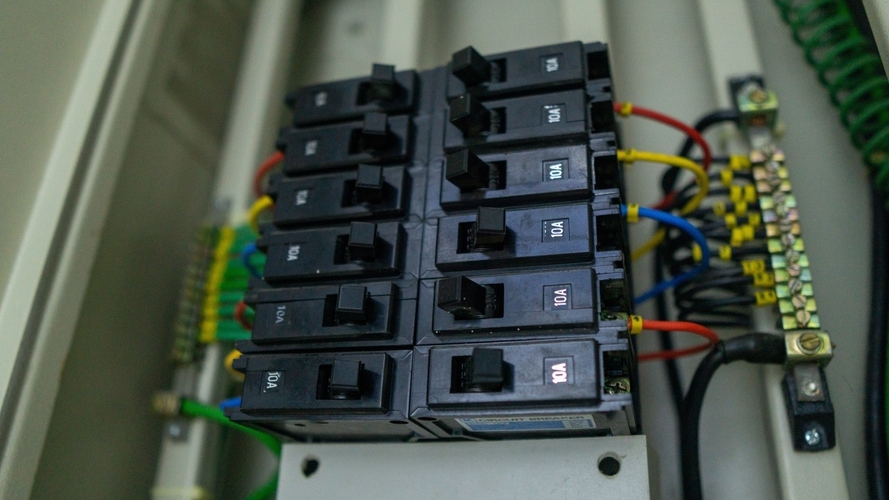
This is the stage most homeowners imagine when they think of a panel upgrade. The new panel is mounted, the main breaker and branch breakers are installed, and the home’s circuits are transferred into the new system.
If the service is being upgraded, this may also involve new service equipment, updated conductors, or modifications to related components. Grounding and bonding are checked and updated as needed to meet current standards.
A modern panel offers cleaner organization, improved breaker protection, and more room for safe power distribution. It can also create space for future circuits, which is helpful if you plan to add new appliances, a renovation, or EV charging later.
Circuits Are Reconnected and Balanced
After installation, the electrician reconnects the individual circuits to the new panel.
Each circuit must be placed correctly, tightened securely, and tested as part of the new configuration. In many cases, this stage also involves balancing loads across the panel so electrical demand is distributed more evenly.
This helps improve performance and reduce stress on the system. Proper panel organization also makes future maintenance and troubleshooting much easier.
If new circuits are being added as part of the project, such as for an EV charger, stove, dryer, or air conditioning equipment, they may also be installed or prepared at this stage, depending on the scope of work.
The System Is Tested for Safety and Function
Before the project is considered complete, the system needs to be tested.
The electrician will usually check breaker operation, verify circuit connections, test voltage, and make sure the panel is functioning correctly. They may also confirm that major appliances, lights, and outlets are working properly once power is restored.
Testing is an essential part of the process because it helps confirm that the new panel is not only installed, but operating safely and reliably.
If anything unexpected is discovered during testing, corrections can be made before the job is finalized.
ESA Inspection Requirements Are Completed
In Toronto and across Ontario, electrical work must meet code and inspection requirements.
That is why many electrical panel upgrades involve an inspection process after the installation is complete. The finished work is reviewed to confirm that it meets applicable safety standards and code requirements.
This inspection gives homeowners added confidence that the upgrade was completed properly. It also helps document that the work was performed through the correct process, which may be important for insurance, resale, or future renovation projects.
For homeowners, this step is one of the most important parts of the upgrade because it confirms the work has been professionally completed and reviewed.
Power Is Fully Restored and the Upgrade Is Complete
After the panel is installed, tested, and approved through the required process, the home’s electrical service is fully restored.
At this point, the homeowner can begin using the upgraded system. The home now has a safer and more reliable panel, improved circuit protection, and in many cases more overall electrical capacity.
If the upgrade included a move to 200-amp service, the property will also be better prepared for future needs such as EV chargers, renovations, electric heating equipment, home additions, and other modern upgrades.
How Long Does an Electrical Panel Upgrade Take?
Many homeowners also want to know how long the process takes.
In many cases, the panel replacement itself can be completed within a day, especially when the scope is straightforward. However, the full timeline depends on more than installation alone. Permit handling, utility coordination, inspections, and any required corrections can all affect the overall schedule.
Homes with older electrical systems, damaged equipment, outdated grounding, or service entrance issues may require additional work beyond the panel itself.
That is why a professional assessment at the beginning is so important. It helps identify the likely scope and reduce surprises once the project begins.
Why Toronto Homeowners Upgrade Their Panels
There are several common reasons homeowners move forward with a panel upgrade. These include:
- frequent breaker trips
- flickering or dimming lights
- outdated fuse boxes
- insufficient power for modern appliances
- EV charger installation
- renovations or home additions
- insurance or inspection concerns
- the need to move from 100-amp to 200-amp service
In many cases, the panel upgrade is not just about fixing a problem. It is also about preparing the home for future electrical needs and improving overall safety.
Final Thoughts
So, what happens during an electrical panel upgrade in Toronto? The process usually begins with an inspection and load calculation, followed by permit handling, utility coordination, safe removal of the old panel, installation of the new panel, testing, and final inspection.
While the process involves several steps, the goal is simple: to make sure your home has a safe, code-compliant, and reliable electrical system that can handle modern demand.
For Toronto homeowners, an electrical panel upgrade is often the right solution when the existing system is outdated, overloaded, or no longer suitable for the way the home is used today. Whether you are planning for an EV charger, a renovation, or just want to improve safety, understanding the process can make the decision much easier.
FAQ Section
What is included in an electrical panel upgrade in Toronto?
An electrical panel upgrade usually includes inspection, load calculation, removal of the old panel, installation of a new panel, circuit reconnection, testing, and required inspection or permit steps.
Does Toronto Hydro need to be involved in a panel upgrade?
In many cases, yes. If the main electrical service needs to be disconnected and reconnected, utility coordination may be required as part of the process.
How long does an electrical panel upgrade take?
The panel replacement itself is often completed in one day, but the full timeline can vary depending on permits, inspections, utility coordination, and the condition of the existing system.
Will the power be turned off during the upgrade?
Yes. Power is usually shut off temporarily so the old panel can be removed and the new one installed safely.
Do I need an ESA inspection after an electrical panel upgrade?
In most cases, electrical panel upgrades must meet inspection and code requirements, which is why proper permit and inspection handling is an important part of the job.